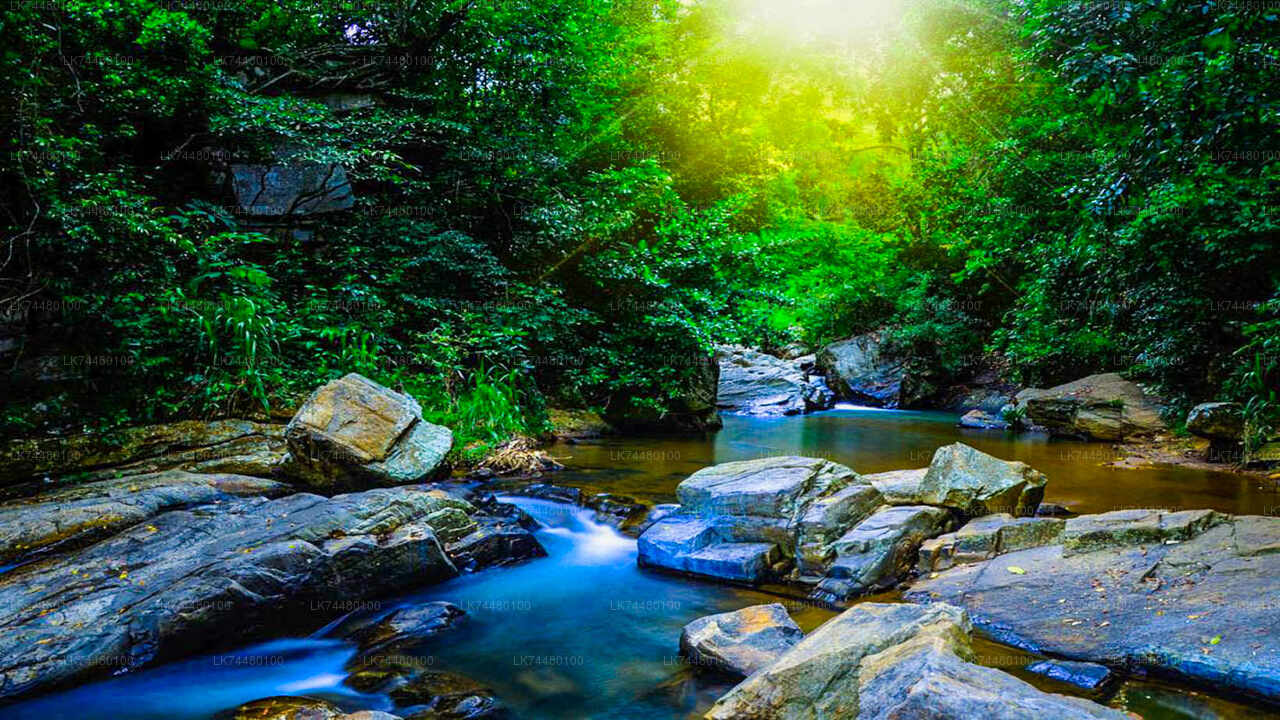
Sinharaja Forest Reserve Sri Lanka: A Complete Rainforest Travel Guide
Sinharaja Forest Reserve Sri Lanka: A Complete Rainforest Travel Guide
Sinharaja Forest Reserve Sri Lanka is a remarkable destination for travelers who want to experience the island’s tropical rainforest, discover rare wildlife, and explore one of its most important natural heritage sites. Located in the southwestern wet zone, Sinharaja is known for its dense green vegetation, beautiful forest trails, rich biodiversity, and many plant and animal species found nowhere else in the world.
For international tourists, a visit to Sinharaja offers a different experience from Sri Lanka’s popular beaches, ancient cities, and open-landscape wildlife safaris. Instead of searching for large animals across grasslands, visitors can walk beneath a thick rainforest canopy, listen to birds, observe butterflies, and discover the fascinating natural environment with the help of a knowledgeable guide.
Whether you are a nature enthusiast, birdwatcher, photographer, or traveler looking for an eco-tourism experience, Sinharaja deserves consideration when planning a holiday in Sri Lanka.
What Makes Sinharaja Forest Reserve Special?
Sinharaja is internationally recognized for its ecological importance. It protects a major remaining area of primary tropical rainforest in Sri Lanka and supports exceptional levels of biodiversity and endemism.
The reserve was inscribed on the UNESCO World Heritage List in 1988. UNESCO highlights the importance of its rainforest ecosystem and the large number of endemic trees and wildlife species found within it.
Some reasons to visit Sinharaja include:
- Experiencing a tropical rainforest environment
- Exploring forest trails with a guide
- Looking for endemic birds
- Discovering rainforest plants and insects
- Enjoying nature photography
- Learning about biodiversity and conservation
- Experiencing a quieter side of Sri Lanka
- Supporting nature-based tourism in surrounding communities
Sinharaja is particularly suitable for visitors who enjoy observing nature carefully rather than expecting a fast-paced sightseeing experience.
Discover the Rainforest Environment
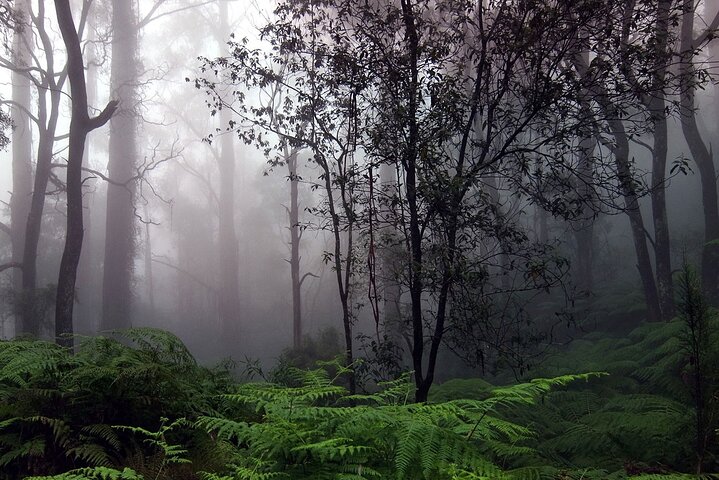
One of the first things visitors notice in Sinharaja is the density of the vegetation.
Tall trees form a canopy overhead, while ferns, vines, mosses, shrubs, and other plants grow throughout the forest. Streams and valleys contribute to the rainforest environment, and the humid climate supports a rich variety of life.
The atmosphere can feel very different from Sri Lanka’s dry-zone national parks. The forest is often damp, shaded, and filled with natural sounds.
A guided walk gives visitors time to notice details that might otherwise be overlooked, such as unusual leaves, insects, fungi, birds moving through the canopy, and small creatures along the trail.
Birdwatching in Sinharaja
Sinharaja is particularly well known among birdwatchers.
The reserve supports many bird species, including a number of Sri Lankan endemics. UNESCO identifies birds as an important part of the reserve’s biodiversity and notes the high proportion of endemic bird species recorded there.
Birdwatchers may hope to observe species such as:
- Sri Lanka blue magpie
- Sri Lanka junglefowl
- Red-faced malkoha
- Green-billed coucal
- Sri Lanka hanging parrot
- Sri Lanka wood pigeon
Wildlife sightings are never guaranteed, and birds can be difficult to spot in dense vegetation. A knowledgeable guide can help visitors identify calls, recognize species, and look for activity in the forest canopy.
If birdwatching is a priority, consider bringing binoculars and allowing enough time for a relaxed walk.
Look for Butterflies, Reptiles, and Other Wildlife
Birds are not the only wildlife attraction in Sinharaja.
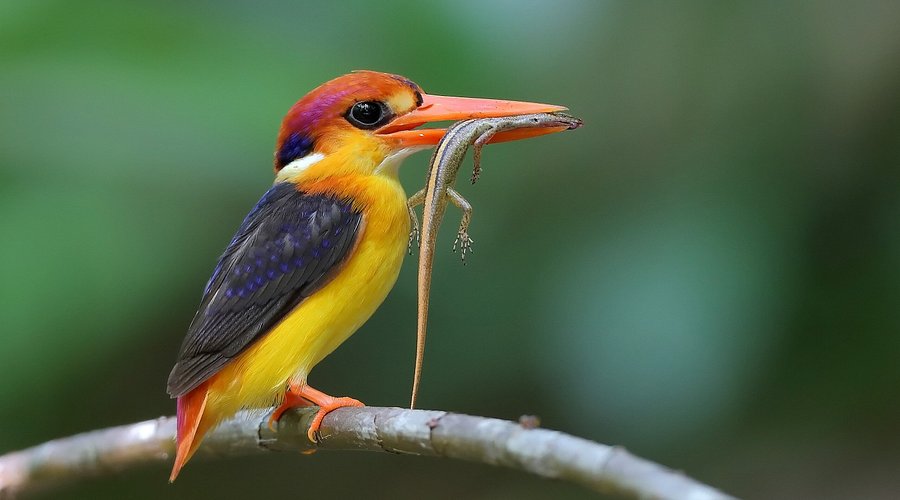
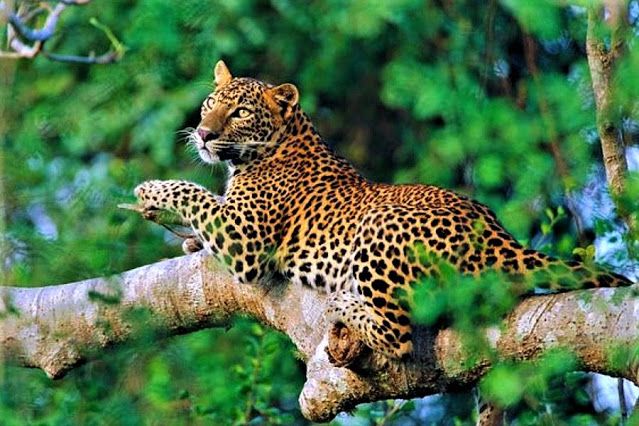
The forest supports a wide range of animals, including butterflies, reptiles, amphibians, and mammals. Some species are endemic to Sri Lanka, making the reserve an important destination for people interested in the island’s natural history.
Visitors may notice butterflies moving through sunny patches, lizards along the trail, or monkeys in the trees. Smaller animals can be just as fascinating as larger wildlife, particularly for travelers interested in rainforest ecology.
Remember that wildlife is unpredictable. Avoid touching animals, disturbing nests, feeding wildlife, or leaving the trail without permission.
Explore Sinharaja’s Nature Trails
Walking through the rainforest is one of the main activities at Sinharaja.
The reserve has access points and trails associated with different areas, including Kudawa and the Deniyaya side. The route you choose can influence the type of walk, travel arrangements, and time required.
Before setting out, ask about the available trails, their difficulty, and the expected duration. Choose a walk that matches your fitness level and interests.
During a rainforest walk, you may encounter:
- Dense tropical vegetation
- Small streams and damp forest paths
- Bird calls and other natural sounds
- Butterflies and insects
- Interesting trees and plants
- Viewpoints or scenic sections, depending on the route
Conditions can be muddy and slippery, especially after rain. Good footwear and a realistic understanding of the walking distance are important.
Visit Sinharaja with a Local Guide
A guided visit can make the rainforest experience more informative.
Guides can help visitors understand the forest ecosystem, identify plants and wildlife, explain conservation issues, and navigate the trails. Guided access arrangements and entry requirements should be confirmed with the relevant entrance or local operator before your visit.
For birdwatchers and nature enthusiasts, a guide’s knowledge of wildlife calls and habitats can be especially useful.
A guide can also help visitors understand how to behave responsibly in a protected environment.
Best Time to Visit Sinharaja Forest Reserve
Sinharaja is located in Sri Lanka’s wet zone and receives substantial rainfall. Rain can occur throughout the year, so visitors should be prepared for damp conditions even when traveling during a comparatively drier period.
January to April and August to September are often suggested as practical periods for rainforest visits, although conditions vary and there is no guarantee of dry weather. Sri Lanka’s tourism information also identifies January to April and August to September among the favorable periods for visiting.
For a comfortable trip:
- Check the weather forecast before departure.
- Start early if your planned route allows.
- Wear shoes with good grip.
- Bring lightweight rain protection.
- Allow extra time for travel on narrow or winding roads.
- Confirm trail access and local arrangements before setting out.
The rainforest’s wet conditions are part of what makes it so biologically rich, so visitors should approach the experience with flexibility.
What to Bring for a Sinharaja Rainforest Walk
Packing appropriately can make your visit more comfortable.
Consider bringing:
- Comfortable walking shoes or hiking boots with good grip
- Lightweight, long-sleeved clothing
- A waterproof jacket or poncho
- Drinking water
- A small backpack
- Insect repellent
- Leech socks or other suitable leech protection
- Binoculars for birdwatching
- A camera
- A small first-aid kit
- A reusable bag for carrying out your rubbish
The forest can be humid, and trails may be muddy. Avoid wearing footwear that is unsuitable for uneven ground.
Do not leave food packaging, plastic bottles, or other waste in the reserve.
Responsible Eco-Tourism in Sinharaja
Sinharaja is a protected natural environment, so responsible visitor behavior is essential.
The reserve’s biodiversity makes conservation an important part of the visitor experience. UNESCO identifies protection and management of the forest as central to maintaining its ecological value.
Visitors can help protect the forest by:
- Following the instructions of guides and forest staff
- Staying on authorized trails
- Avoiding loud noises
- Never feeding or chasing wildlife
- Not removing plants, insects, or other natural objects
- Taking all rubbish away
- Avoiding damage to trees and vegetation
- Respecting other visitors and local communities
Responsible tourism helps preserve the environment while allowing future travelers to experience the rainforest.
How to Get to Sinharaja Forest Reserve
Sinharaja has several approaches, and the most suitable route depends on where you are traveling from and which entrance you plan to use.
Kudawa is commonly accessed through the Kalawana and Weddagala area, while the Deniyaya side provides access to the southeastern part of the reserve. Other approach routes also exist.
Travelers can reach the surrounding towns by road and then continue toward their selected entrance. The final sections of some routes can be narrow, winding, or affected by weather.
If you are arriving from Colombo or Bandaranaike International Airport, consider allowing sufficient time for the journey. Staying near the forest the night before a planned walk may help you begin early and avoid a long same-day transfer.
Confirm your entrance, guide arrangements, and transportation plan before departure.
Sinharaja for International Tourists
Sinharaja can appeal to several types of international travelers.
Nature Lovers
Visitors who enjoy forests, plants, insects, and natural landscapes can spend time observing the rainforest environment and learning about its ecology.
Birdwatchers
The reserve’s endemic birdlife makes it an interesting destination for birdwatchers. Binoculars and a guide can improve the experience.
Photographers
Its dense vegetation, birdlife, forest trails, and remarkable biodiversity offer an experience quite different from Sri Lanka’s beaches, ancient cities, and open national parks.
Sinharaja offers opportunities to photograph forest textures, plants, streams, butterflies, and birds. Low light and damp conditions can make photography challenging, so suitable equipment and patience are helpful.
Adventure Travelers
Travelers who enjoy walking and exploring natural environments may appreciate the trails. Choose a route that matches your ability and be prepared for humid weather and uneven ground.
Combine Sinharaja with Other Sri Lanka Destinations
Sinharaja can be included in a wider itinerary through the southwestern and southern parts of Sri Lanka.
Depending on your schedule, you might combine a rainforest visit with:
- Galle and its historic fort area
- Hikkaduwa and the southwestern coast
- Mirissa and the southern beaches
- Udawalawe and its surrounding region
- Ella and the hill country
- Colombo for city sightseeing
The most practical route will depend on your chosen entrance, accommodation, and onward destination. Avoid planning too many long drives and activities into a single day.
Plan Your Sinharaja Journey with Nobel Travels Lanka
If you are planning to visit Sinharaja Forest Reserve, organizing transportation in advance can make your journey more convenient.
Nobel Travels Lanka offers private taxi services, airport transfers, and customized Sri Lanka tours for international travelers.
Whether you need transportation from the airport, a transfer from Colombo, or a multi-destination itinerary combining Sinharaja with Galle, Hikkaduwa, Ella, or other locations, you can plan your journey around your schedule and interests.
A customized tour can also help you coordinate your travel with local accommodation and rainforest visit arrangements.
Explore the services offered by Nobel Travels Lanka and plan a Sri Lanka journey that includes the island’s remarkable natural and cultural attractions.
Final Thoughts
Sinharaja Forest Reserve Sri Lanka is a special destination for travelers who want to explore tropical rainforest, discover endemic wildlife, and learn about the island’s natural heritage.
With suitable footwear, a knowledgeable guide, responsible travel habits, and thoughtful transportation planning, visitors can enjoy a rewarding rainforest experience while respecting the environment.
If you are creating a Sri Lanka holiday itinerary and want to include nature and eco-tourism, consider adding Sinharaja Forest Reserve to your journey.